Indigenous Cultural Safety, Humility, and Anti-Racism

Creating Safer, More Respectful Spaces in Pharmacy Practice

Purpose and Commitment

The Continuing Professional Development and Practice (CPPD) team is committed to supporting pharmacy professionals in creating safer, more respectful, and equitable spaces for Indigenous clients. This page serves as a central resource for education, reflection, and action on Indigenous Cultural Safety, Cultural Humility, and Anti-Racism in pharmacy practice.

We recognize the historical and ongoing impacts of colonization, systemic racism, and health inequities experienced by Indigenous Peoples. Our goal is to foster culturally safe care environments where Indigenous clients feel respected, heard, and empowered.

Guiding Principles

  • Cultural Safety: Defined by the person receiving care, cultural safety requires healthcare providers to examine power imbalances, barriers built into healthcare systems, and their own biases. It moves beyond cultural awareness and sensitivity to actively address inequities.
  • Cultural Humility: A lifelong process of self-reflection and learning. Cultural humility involves recognizing one’s own limitations, being open to understanding others’ experiences, and building respectful partnerships.
  • Anti-Racism: The active process of identifying and eliminating racism by changing systems, organizational structures, policies, practices, and attitudes. Anti-racism requires deliberate steps to remove obstacles to equitable care.

These principles guide our approach to continuing education and inform the development of programs and resources that support reconciliation and justice in pharmacy care.

Land Acknowledgement

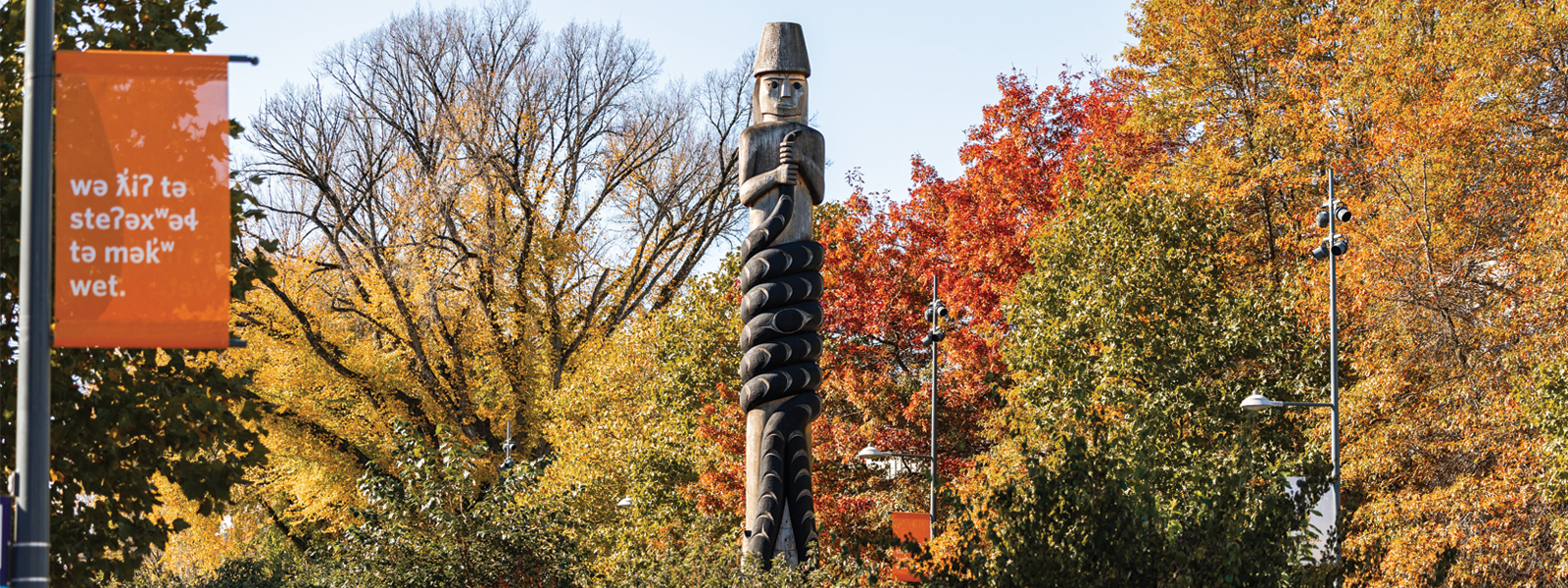
UBC's Point Grey Campus is located on the traditional, ancestral, and unceded territory of the xwməθkwəy̓əm (Musqueam) people. The land it is situated on has always been a place of learning for the Musqueam people, who for millennia have passed on their culture, history, and traditions from one generation to the next on this site. You are invited to take a moment to acknowledge the land from where you are joining. To learn more about land acknowledgements, and the territory you are situated on, you are invited to explore Whose Land.

Programs

These programs integrate Indigenous perspectives and case-based learning to support meaningful practice change.

A Case-Based Approach for Pharmacy Teams on Providing CARE for First Nations Clients
Cost: Free | Continuing Education Units (CEU): unaccredited | Hours: 1 hour

Cultivating Relationships and Creating Safer Spaces in Pharmacy for First Nations Clients
Cost: Free | Continuing Education Units (CEU): unaccredited | Hours: 1 hour

Indigenous Health Benefits
Independent Study Program
Cost: Free | Continuing Education Units (CEU): 1 CEU | CE Hours: 1 hour | BC-2026-005-ISP
Expiry Date: January 14, 2027

Events

CPPD hosts events that bring together Indigenous and non-Indigenous voices to explore culturally safe care and collaborative models of practice. Webinar recordings will be available in the Canvas course following the live session.

Uprooting Pharmacy: Barriers and Facilitators to Culturally Safe Practice
Webinar
Cost: Free | Continuing Education Units (CEU): 1 CEU | CE Hours: 1 hour | BC-2026-006
Date and Time: February 12, 2026 | 12:00–1:00 pm

Join our online webinar designed to strengthen culturally safe pharmacy practice! This session will explore how Western and Indigenous worldviews can shape care in a pharmacy context. Presenters will share insights from a 3-year action research project, including the use of a Two-Eyed Seeing Approach, and the barriers and facilitators that influence culturally safe care.

Uprooting Pharmacy: Bringing Together Traditional and Western Medicine
Webinar
Cost: Free | Continuing Education Units (CEU): 1 CEU | CE Hours: 1 hour | BC-2026-007 
Date and Time: February 26, 2026 | 12:00–1:00 pm

Expand your understanding of team-based practice! This session will guide participants through the history of extractive science and biopiracy and how these legacies continue to shape pharmacy practice. Presenters will share insights from a 3-year action research project, including considerations for re-defining team-based care to include Elders, Knowledge Keepers, and traditional medicines and offer a practical example of what this might look like.

Recommended Resources

To support ongoing learning, we encourage pharmacy professionals to explore the following resources:


UBC Crest The official logo of the University of British Columbia. Urgent Message An exclamation mark in a speech bubble. Arrow An arrow indicating direction. Arrow in Circle An arrow indicating direction. Arrow in Circle An arrow indicating direction. Caret An arrowhead indicating direction. Chats Two speech clouds. Facebook The logo for the Facebook social media service. Fax A lineart image of a fax machine. Information The letter 'i' in a circle. Instagram The logo for the Instagram social media service. Linkedin The logo for the LinkedIn social media service. Location Pin A map location pin. Mail An envelope. Menu Three horizontal lines indicating a menu. Minus A minus sign. Telephone An antique telephone. Plus A plus symbol indicating more or the ability to add. Print A lineart image of a printer. Search A magnifying glass. Twitter The logo for the Twitter social media service. X The logo for the X social media service. Youtube The logo for the YouTube video sharing service.